Going South
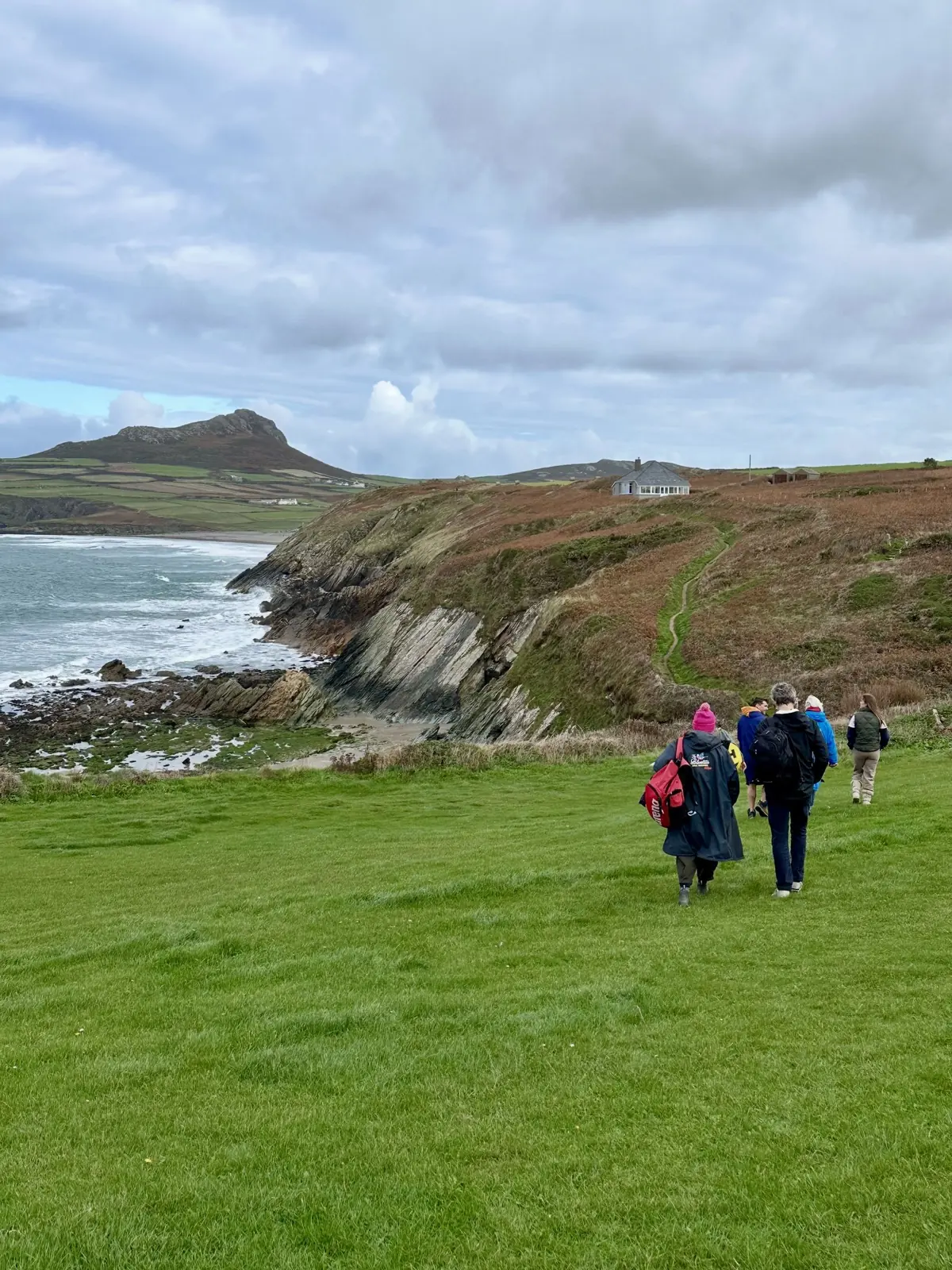
The first thing I hear is something between a laugh, a gasp and a handful of swear words from a grown man walking into the sea.
It’s the final week of October and I’m standing at the tide line in a neon yellow raincoat and a thick green hoodie with an audio recorder in my hand. I remember thinking, quite clearly, that whatever else we captured that day, we already had a great episode.
That was Dan Skinner with the Bluetits Chill Swimmers in Pembrokeshire. It’s the clip that ended up shortlisted for the Radio Times Moment of the Year at this year’s ARIAS. What strikes me now is how little of it we actually made.
We turned up, we asked a woman named Sian if we could come in the water with her, and then we got out of the way.
That’s the method.
Turning up
Great Escapes started with a brief that sounds simple but would be easy to over work: send two comedians around the South West and Wales, put them in the hands of people who actually live there, and see what happens.
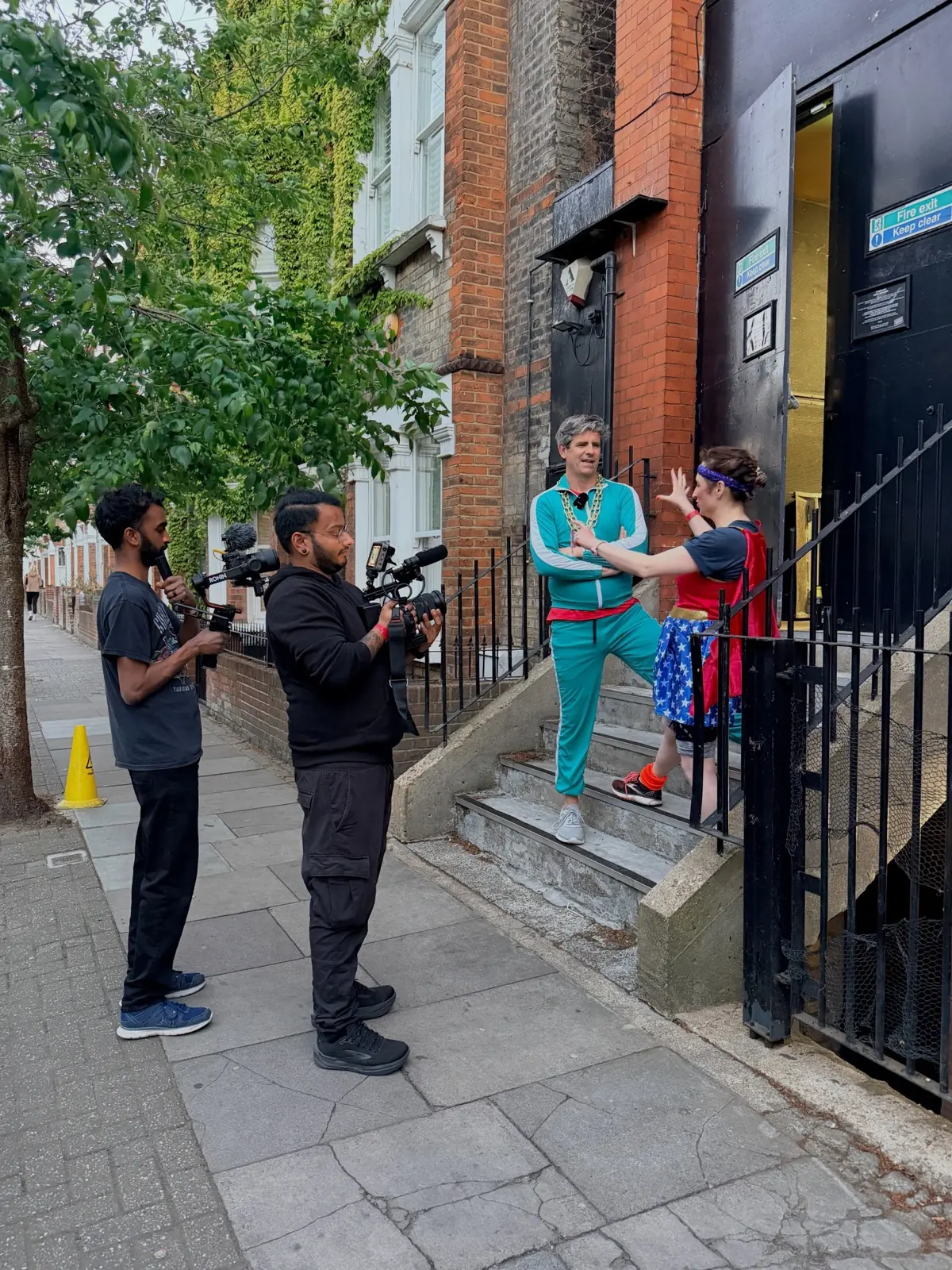
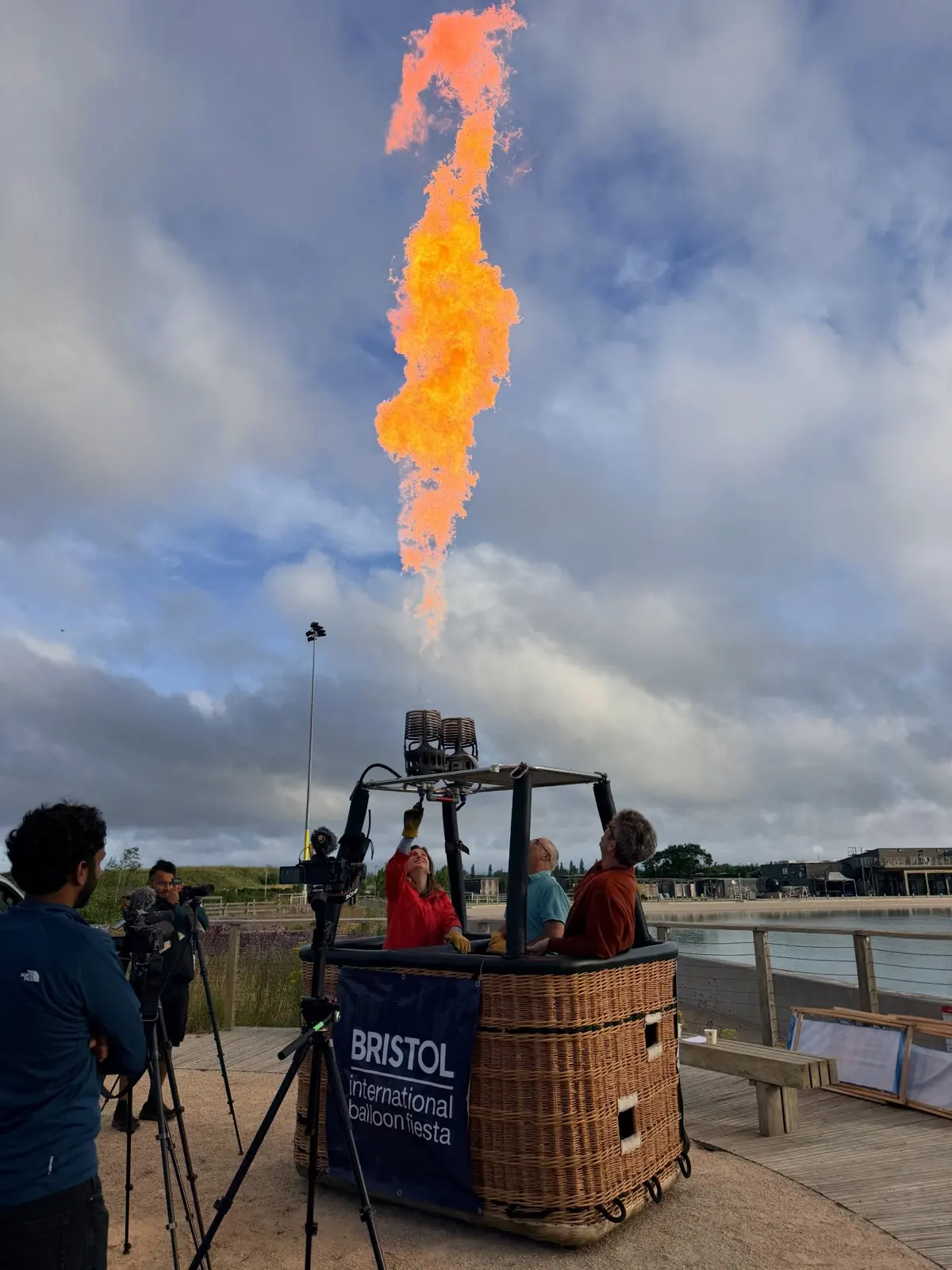
Fortunately, comedians Isy Suttie and Dan Skinner are very used to travelling – and extremely good at being interested. On any other production, the presenter arrives on location with their bit already scripted. We often give Isy and Dan nothing but a list of locations, which in hindsight seems the only honest way to do it.
The first series went to places you mightn’t consider putting on a poster.
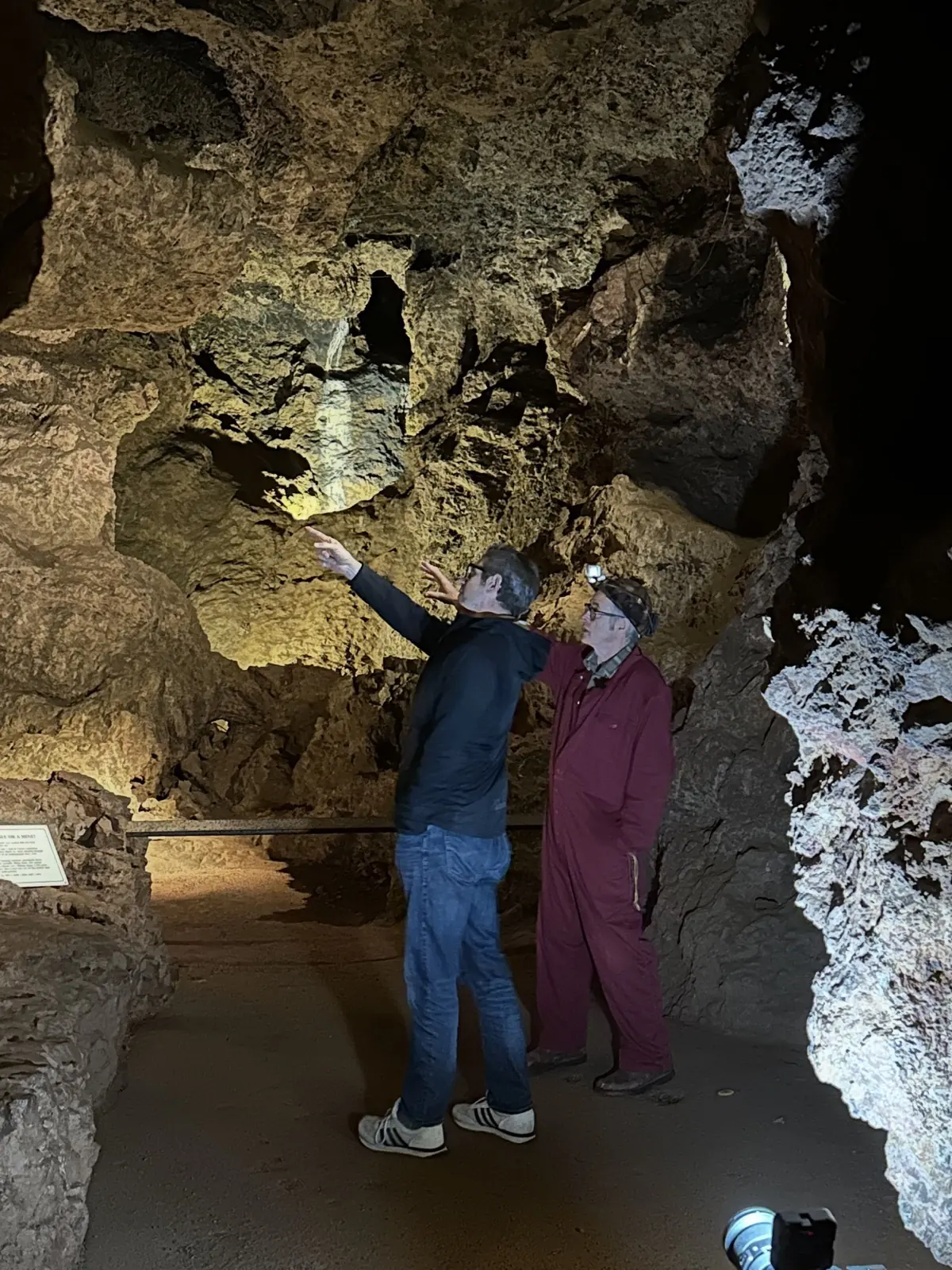
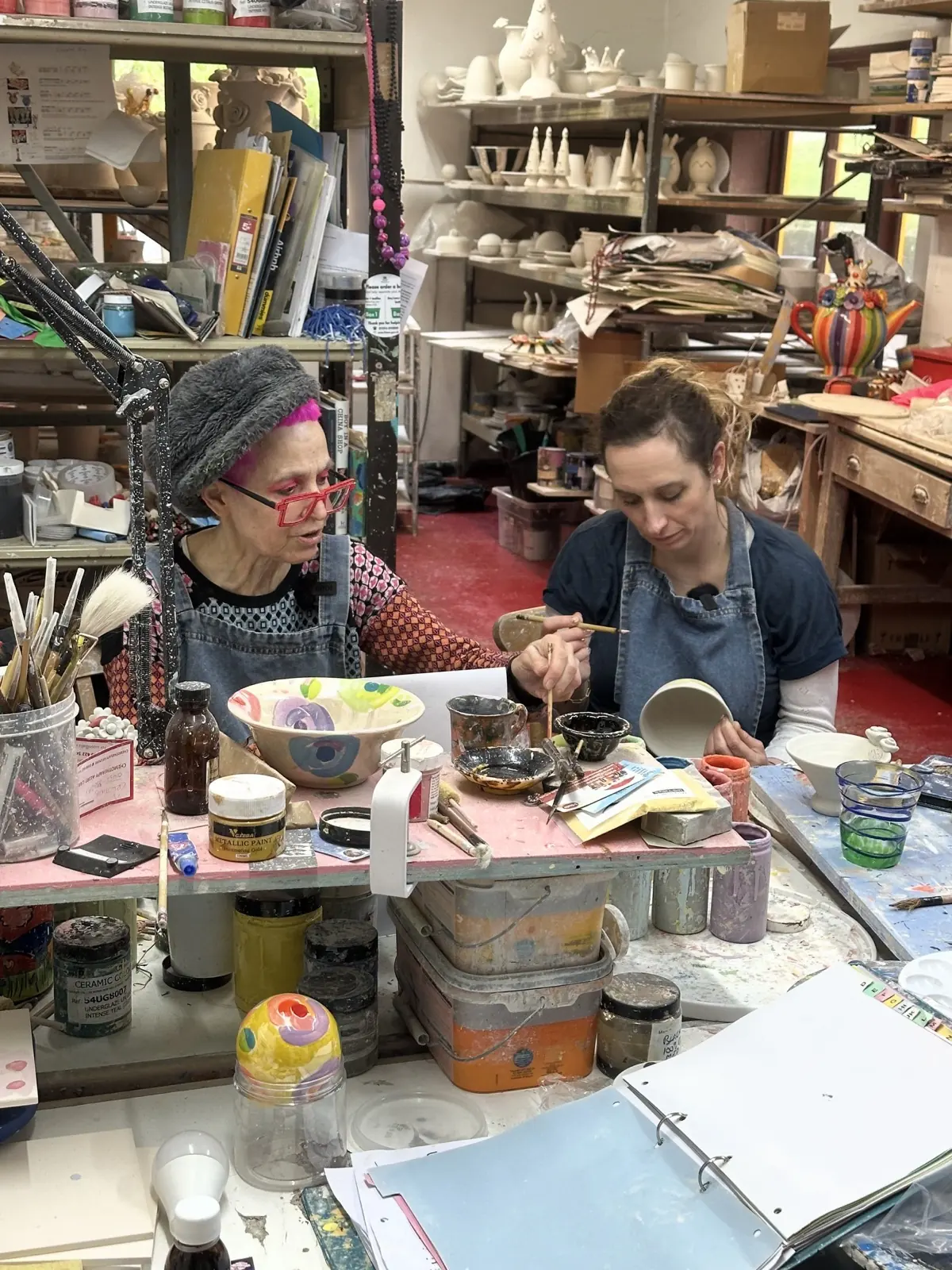
The Forest of Dean, where Dan went down Clearwell Caves with a freeminer named Jonathan Wright and came up talking about medieval pickaxe marks and ochre pigments with the intensity of a man who had found a new religion – and a pottery studio in the same forest, where I watched over the course of an hour as Isy lost herself in Mary Rose-Young’s technicolour, Westwood Willy Wonka wonderland.
Or Shepton Mallet, where we stood in an execution chamber in the morning and sipped Babycham in the afternoon. A chip shop in Exmouth. A rose garden at Castle Drogo. Jamaica Inn on Bodmin Moor.
“Adventures start here”
Great Escapes is supported by Great Western Railway: a train company pays for a show about the places their trains go. It does not mean anyone from GWR has ever told me what to say about them, which, having worked in and around branded content for over a decade now, still slightly surprises me.
The name is a portmanteau of its funder and their pre-pandemic on-board travel magazine Escape, which Think Publishing, the agency behind it all, also produced. I can’t remember whose idea it was. It’s a good one.
Name aside, the sponsorship brings a remarkably useful framework. Because we go by train, we cannot do the thing travel media usually does: airlift a crew into a beauty spot, extract the view, and leave. We arrive at a station, in a town, at whatever time the timetable decides. We walk. We have a handful of hours before the timetable dictates our return.
There is a version of travel documentary making that treats the country as a set of views and the people in it as local colour, or, increasingly, like zoo animals to provoke and provide a reason to not travel to a location.
I find this with YouTube “Trying food from 1 star take out!” and “The worst town in Britain” content in particular, where a middle-aged man wanders around a shuttered high street with a gimbal and gawps at some kind of manufactured decline. I find it pathetic.
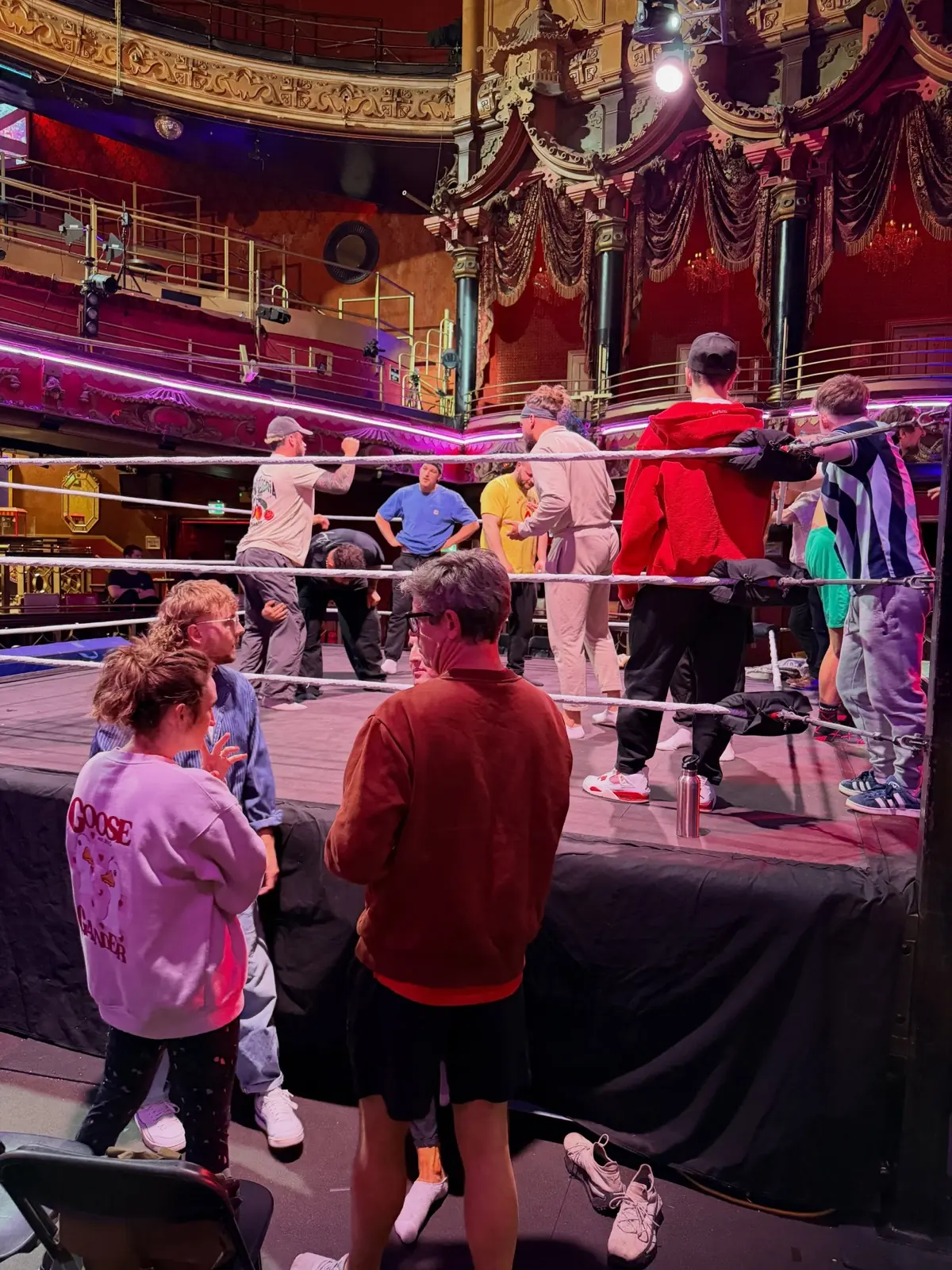
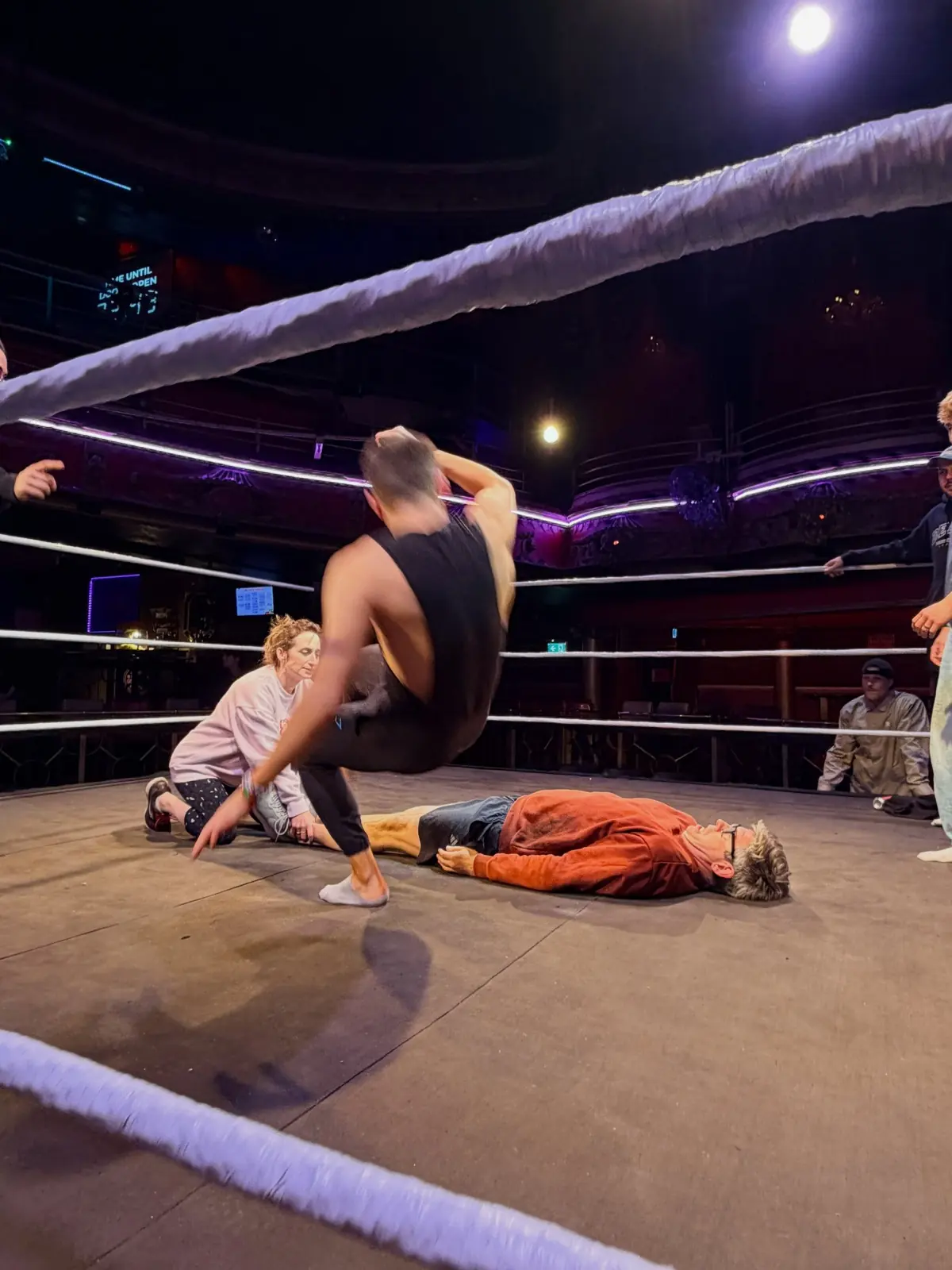
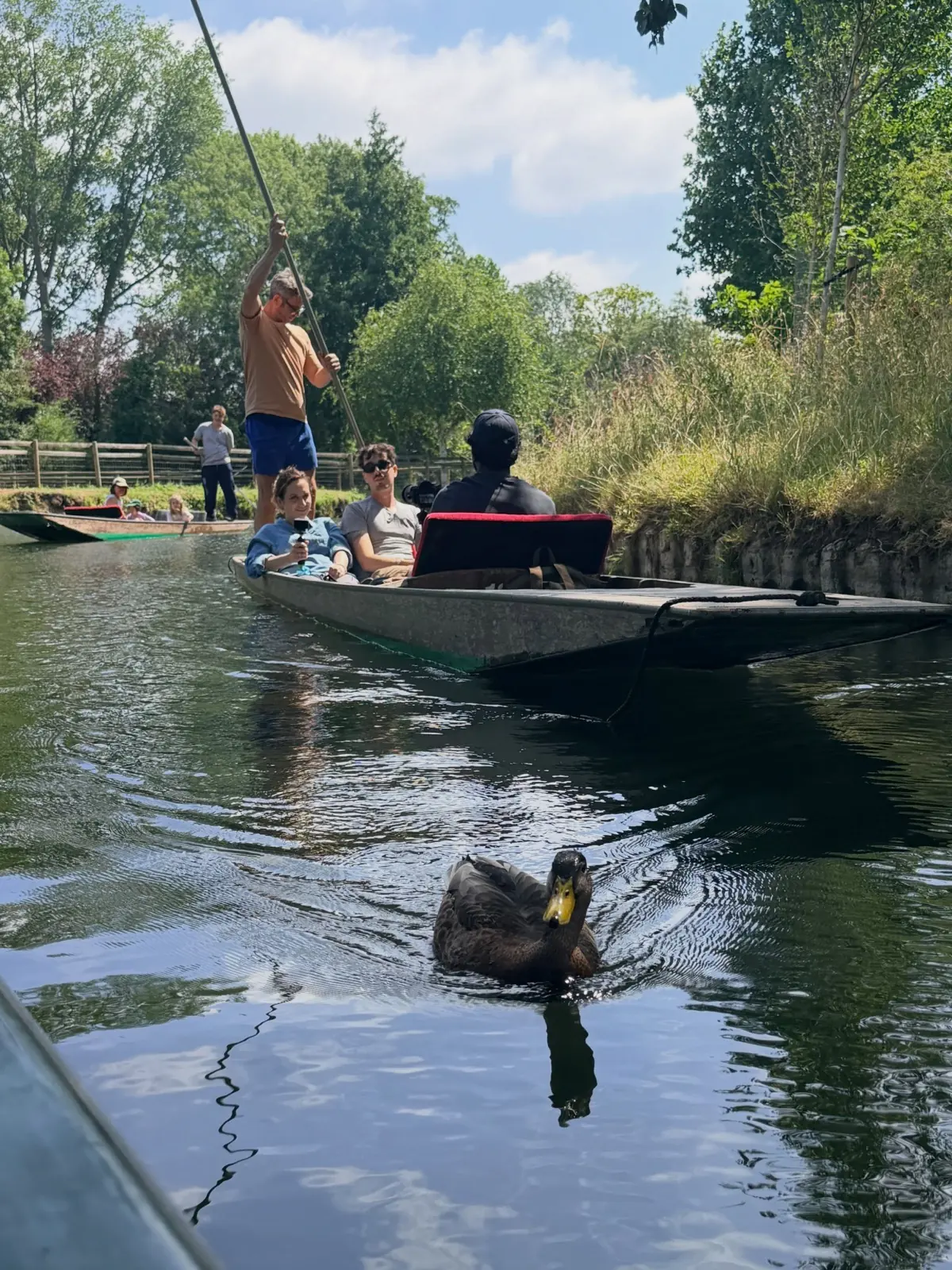
The unwritten rule of Great Escapes is that nobody we meet is the joke. Everyone knows exactly what we’re making and why we’re there, and once we start, they’re the most knowledgeable person in the room and we’re the ones playing catch up. If somebody has to look foolish, it’s Isy and Dan: two comedians agree to be visibly bad at kicking a rugby ball, or trying wrestling, or punting a boat, or getting into the Irish Sea in October, and in exchange somebody trusts us with their life story.
That’s the method.
Two series in, I could not tell you the population of any town we have been to. What I have instead is a collection of people and their stories: the freeminer. The potter. The man who plays Santa… and also a dog in the summer. The woman who started a swimming group and accidentally built a movement across a coastline. The chip shop owner who has stood on the same six feet of floor for decades and can tell the temperature of the fryer by the noise that it makes.
Sliding doors
I was born in Oxford and live in Didcot, a town that exists because of a railway junction. There’s a railway museum full of preserved engines sitting a few hundred yards from the platform where you wait for the modern train, which as a child seemed quite strange and as an adult is quite lovely.
None of this is unfamiliar territory to me. When the brief came in, I already knew the geography in my body. I have sat on most of these platforms. I have sat on most of these trains.
In the final episode of season one, we hopped off at Cheltenham Spa and I experienced one of those rare Sliding Doors moments in life, realising I was back where I had graduated from my Radio Production degree some years prior. I could almost see younger versions of myself sitting on the platform, waiting for the train home. I wonder if I’m making him proud.
There’s a peculiar feeling in finding out that a place you thought you had finished with has been full of people doing extraordinary things the entire time you were away. That is most of what this job has given me.
I do not know how many more of these episodes we will make. But I know that when it is going well, my job is to just get out of the way.
That’s the method.
The title is a nod to Going South, Lorde’s photo essay from Antarctica for Metro.